
How to Maintain Healthy Phone Habits for Better Wellbeing
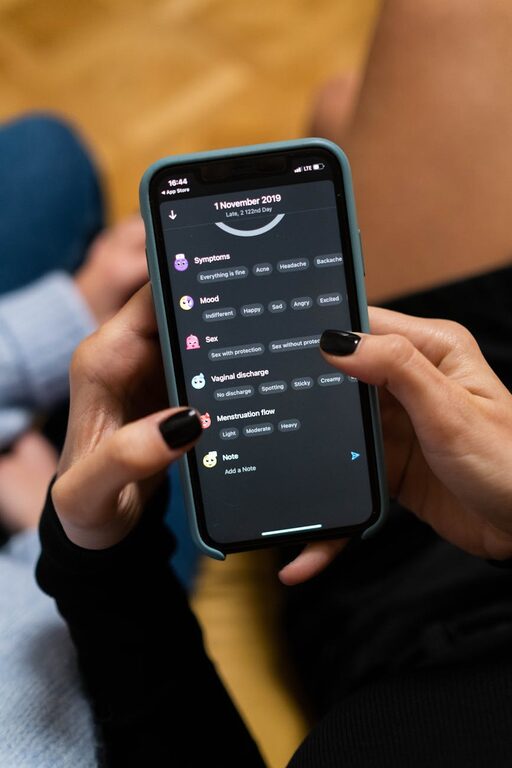
In today’s world, our smartphones are always within reach, keeping us connected and informed. While they offer many benefits, excessive or mindless phone use can affect our focus, sleep, and overall wellbeing. Developing healthy phone habits helps strike a balance between staying connected and protecting your mental and physical health.
In this post, we’ll explore practical tips to maintain a healthy relationship with your phone and improve your daily life.
Why Healthy Phone Habits Matter
Smartphones can be wonderful tools—but constant notifications, endless scrolling, and screen time overload can lead to:
– Decreased attention span and productivity
– Disrupted sleep patterns
– Increased stress and anxiety
– Reduced face-to-face social interaction
Creating healthy phone habits ensures that your device serves you without taking control.
Setting Boundaries Around Phone Use
One of the most effective ways to maintain healthy phone habits is by setting clear boundaries.
1. Establish Phone-Free Zones
Designate certain areas or times in your home as phone-free—like the dining table, bedroom, or during family time. This encourages mindful interaction and better rest.
2. Schedule Phone Breaks
Try the “20-20-20” rule: every 20 minutes of phone use, look away at something 20 feet away for 20 seconds. This reduces eye strain and reminds you to pause.
3. Use Do Not Disturb or Silent Modes
Activate “Do Not Disturb” during focused work sessions, meetings, or sleep to minimize distractions from notifications.
Managing Notifications for Less Distraction
Notifications pull your attention away and prompt frequent phone checks.
– Review app notifications regularly and disable non-essential ones.
– Group notifications where possible, so you receive fewer alerts.
– Use notification summaries or scheduled delivery features available on most smartphones.
Limiting notifications reduces disruption and helps you stay focused.
Monitor and Limit Screen Time
Most smartphones now offer built-in screen time tracking and parental control features.
– Check daily and weekly reports to see how much time you spend on different apps.
– Set usage limits for apps or categories that tend to consume too much time, like social media or games.
– Challenge yourself to reduce screen time incrementally, aiming for balance.
Tracking your usage increases awareness and makes it easier to establish better habits.
Create a Healthy Bedtime Routine
Phones can interfere with sleep quality because of blue light and mental stimulation.
– Avoid screens at least 30 minutes before bedtime.
– Charge your phone outside the bedroom or place it on “airplane” mode to prevent late-night notifications.
– Consider reading a physical book or practicing relaxation techniques instead of scrolling.
Better sleep improves mood, energy, and overall health.
Practice Mindful Phone Use
Being intentional about how and when you use your phone promotes healthier habits.
– Before you pick up your phone, ask yourself why you’re doing it—boredom, habit, or a specific need?
– Prioritize meaningful activities like communicating with loved ones, learning, or organizing tasks.
– Avoid multitasking; focus on one thing at a time, whether on your phone or offline.
Mindfulness counters impulsive use and enhances your digital experience.
Use Technology to Support Good Habits
Technology itself can be a great ally in maintaining phone health.
– Use apps designed to promote digital wellbeing, such as focus timers, meditation guides, or screen time limiters.
– Customize your home screen to feature only essential apps, removing distractions from view.
– Choose grayscale mode during certain hours to make your phone less appealing for casual browsing.
Leveraging these tools helps you stay in control.
Encourage Offline Activities
Balancing phone use with offline activities nurtures wellbeing.
– Take regular walks, exercise, or practice hobbies that don’t involve screens.
– Spend quality time with friends or family in person.
– Explore creative activities like journaling, cooking, or gardening.
Diversifying your daily routine reduces reliance on your phone for entertainment or connection.
Be Patient and Consistent
Changing behavior takes time and effort. Don’t be discouraged by occasional setbacks.
– Start with small changes, such as reducing phone use by 10 minutes a day.
– Celebrate milestones and improvements to stay motivated.
– Adjust your strategies to find what works best for your lifestyle.
Consistency helps develop lasting healthy phone habits.
—
Maintaining healthy phone habits is a valuable step toward a more balanced, focused, and satisfying life. By setting boundaries, managing notifications, tracking usage, and fostering mindful use, you can harness the benefits of technology without feeling overwhelmed.
Try incorporating these tips gradually and notice the positive impact on your wellbeing!