
Practical Tips for Keeping Kids’ Art Organized and Clutter-Free
When your little ones start bringing home a steady stream of drawings, paintings, and craft projects, it’s a wonderful sign of their creativity. However, without a good organizational system, these cherished pieces of art can quickly turn into clutter. Keeping kids’ artwork organized allows you to preserve memories, encourage creativity, and maintain a tidy living space. Here are practical tips to help you manage and display your children’s creations effectively.
Create a Dedicated Art Storage Space
The first step to keeping artwork organized is to designate a specific area in your home for storage and display.
– Art Box or Portfolio
Use a large plastic bin or an artist’s portfolio to store flat artwork. Label each box with your child’s name and the year. This keeps everything in one place and makes it easy to add new pieces.
– Filing System
Invest in a file cabinet or portable file box. Use folders for each child, subdivided by month or school year to keep artwork orderly.
– Digital Storage Station
Dedicate a drawer or shelf where you can temporarily place new art before sorting. This helps prevent art from piling up around the house.
Display Artwork Creatively
Showing off your child’s artwork boosts their confidence and turns your home into a mini-gallery.
– Rotating Gallery Wall
Use clipboards, a wire and clips, or a corkboard to create a display area that can be easily updated with new masterpieces.
– Photo Frames with Easy Access
Choose frames that open from the front so you can swap artwork regularly.
– Art Books
Compile scanned or photographed artwork into a printed photo book each year. This creates a lasting keepsake and saves space.
Use Technology to Your Advantage
If physical storage is a challenge, digital solutions can help.
– Take Photos of Artwork
For 3D projects or oversized items, snap a clear picture. You can store these digitally to reduce physical clutter.
– Art Apps and Cloud Storage
Apps like Artkive allow you to organize and print your child’s artwork, while cloud services keep photos safe and accessible.
Set Limits and Involve Kids
Teaching kids to manage their own artwork encourages responsibility and decision-making.
– Set Quantity Limits
Agree on how many pieces can be kept at once. When new art arrives, decide together which older pieces to keep or recycle.
– Regular Art Review Sessions
Once a month or quarterly, review the collection with your child. This can be a fun activity and helps keep the collection manageable.
– Creative Repurposing
Use older artwork as gift wrap, greeting cards, or craft materials for new projects.
Organize by Art Type or Theme
Sorting artwork by type, theme, or date can make the collection more meaningful.
– Folders for Different Mediums
Separate drawings, paintings, and crafts into individual containers or folders.
– Themed Collections
Organize art by seasons, holidays, or school years for easier access and nostalgic reflection.
Keep Supplies Organized to Prevent Future Mess
Good organization starts with managing the tools that create the artwork.
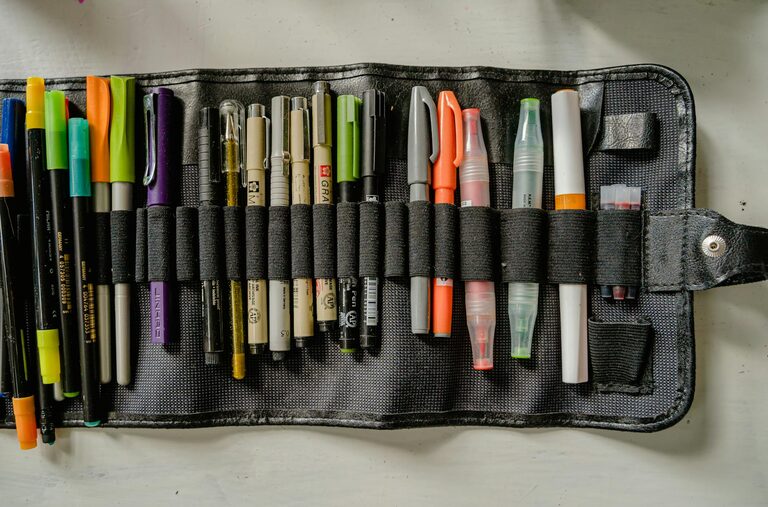
– Art Supply Station
Use bins, jars, or drawers to store markers, crayons, paints, and brushes. Label each container to simplify cleanup.
– Portable Art Caddy
A portable caddy keeps supplies together and makes it easy to move art activities from room to room.
– Regular Inventory Checks
Periodically check supplies for dried-up markers or broken crayons and discard them to avoid clutter.
Tips for Preserving Special Items
Some artworks deserve extra care or preservation.
– Laminating
Laminating favorite pieces can protect them from wear and tear.
– Shadow Boxes
Use shadow boxes to display three-dimensional projects like clay models or collages.
– Archival Storage Materials
Acid-free folders and boxes help preserve artwork long term.
Final Thoughts
Organizing kids’ art doesn’t have to be overwhelming. By creating dedicated storage, displaying work proudly, leveraging digital tools, and involving your children in the process, you can keep their creative expressions organized and cherished. These habits not only keep your home clutter-free but also teach your kids valuable lessons about organization and respect for their own creations.
Remember, every masterpiece tells a story – so treat each piece with care, but don’t be afraid to let go of some to keep the system manageable. Happy organizing!