
How to Plan Balanced Meals Without Stress: Simple Tips for Everyone
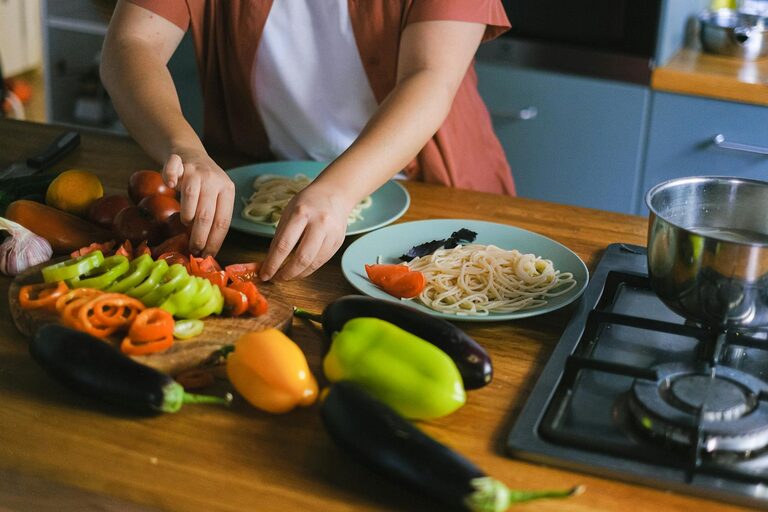
Planning balanced meals doesn’t have to be complicated or stressful. Whether you’re a busy professional, a parent juggling multiple responsibilities, or someone wanting to improve their eating habits, creating meals that are both nutritious and enjoyable is entirely possible with a few practical strategies. In this post, we’ll explore simple steps to help you plan balanced meals effortlessly, ensuring you get the right mix of nutrients every day without feeling overwhelmed.
Why Balanced Meals Matter
Balanced meals provide your body with essential nutrients, including carbohydrates, proteins, fats, vitamins, and minerals. Eating well supports energy levels, mood, and overall health. Instead of focusing on restrictive diets, aim for meals that include a good variety of food groups. This approach nurtures your body and helps maintain a healthy lifestyle sustainably.
Step 1: Understand the Basics of a Balanced Plate
A straightforward way to visualize a balanced meal is to think of your plate divided into sections:
– Half the plate: Fruits and vegetables
– One-quarter: Lean protein sources (like chicken, fish, beans, or tofu)
– One-quarter: Whole grains (brown rice, quinoa, whole wheat bread)
Including a small amount of healthy fats, such as olive oil, nuts, or avocado, completes the picture.
Step 2: Keep Staples Handy
Having staple ingredients on hand reduces last-minute stress and makes it easier to prepare balanced meals. Here are some pantry and fridge essentials to consider:
– Whole grains: brown rice, quinoa, whole wheat pasta
– Proteins: canned beans, lentils, eggs, frozen chicken breasts
– Vegetables: fresh greens, carrots, bell peppers, frozen mixed veggies
– Fruits: apples, bananas, berries (fresh or frozen)
– Healthy fats: olive oil, nuts, seeds
When you have these basics ready, you can create various meal combinations with minimal planning.
Step 3: Plan Meals in Advance
Taking 10-15 minutes a week to outline your meals can save time and reduce stress. Here are some tips:
– Choose 3-5 dinner ideas you enjoy
– Plan for leftovers to enjoy on busy days
– Incorporate versatile ingredients across multiple meals
– Write down your plan or use a meal planning app for easy access
Planning doesn’t mean rigidly sticking to every meal; it simply provides a roadmap that can be adjusted as needed.
Step 4: Use Simple Cooking Methods
Simple cooking techniques make meal prep easier and faster. Consider:
– One-pan or sheet pan meals: Combine protein and vegetables and roast together
– Slow cooker or Instant Pot recipes: Great for hands-off cooking
– Stir-fries: Quick and customizable with whatever veggies and protein you have
– Salads: Mix fresh veggies, a protein source, and a whole grain for a quick meal
These methods require less cleanup and promote stress-free cooking.
Step 5: Make Mealtime Enjoyable
Eating is not just about nutrition; it’s also about enjoyment and connection. Here are ways to keep meals pleasant:
– Try new recipes occasionally to keep things interesting
– Include colors and textures on your plate for visual appeal
– Eat mindfully, focusing on your food without distractions
– Share meals with family or friends whenever possible
Enjoying your meals helps you build a positive relationship with food.
Step 6: Be Flexible and Forgive Yourself
Meal planning is a tool, not a rulebook. Sometimes, plans change or unexpected events happen, and that’s okay. Remember:
– It’s fine to have simple meals like sandwiches or scrambled eggs occasionally
– If you eat out or order takeout, try to choose options with vegetables and protein
– Don’t stress over perfection—balance happens over time
Flexibility helps you maintain healthy habits without added pressure.
Bonus Tips for Stress-Free Meal Planning
– Batch cook: Prepare grains, roasted vegetables, or proteins in bulk to use throughout the week
– Use leftovers creatively: Turn last night’s roast chicken into today’s salad or sandwich filling
– Keep healthy snacks ready: Nuts, cut veggies, or fruit can prevent last-minute unhealthy choices
– Stay hydrated: Sometimes thirst is confused with hunger, so drink enough water
– Listen to your body: Eat when hungry and stop when satisfied
Conclusion
Planning balanced meals without stress is achievable by understanding basic nutrition, keeping staples stocked, planning simply, and staying flexible. Remember, healthy eating is a journey that fits your lifestyle, not a chore. With these tips, you can enjoy nourishing meals that make you feel good every day. Happy meal planning!
—
If you enjoyed this post, feel free to share your favorite stress-free meal ideas in the comments below!